

Close to a third of every corporate dinner and dance held in Singapore lands somewhere in the last three months of the year. Most committees don’t start seriously planning until around that same window opens, which means a huge share of companies are reaching for the calendar at exactly the moment the most sought-after venues are already being snapped up by everyone else doing the same thing.
Why the Timeline Looks Backwards From How Most Teams Actually Plan
Enquiries for October to December dates typically surge from around June onward, and availability for that stretch narrows sharply soon after. A committee that waits until September to start D&D event management discussions isn’t being slow by ordinary standards. It’s simply running on a timeline that was already behind before the first meeting happened.
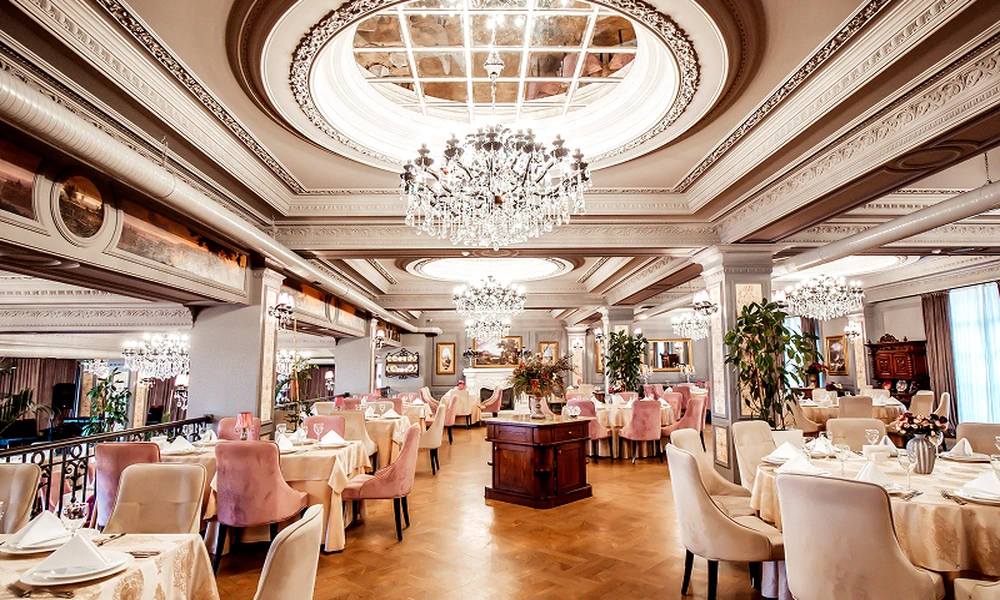
Ballrooms large enough for several hundred guests are the scarcest resource of all, since Singapore only has so many rooms built to that scale, and the handful that work well for a corporate function tend to carry waiting lists of their own once the Q4 rush gets underway. A company chasing a date in November without having started the search by June is often choosing from whatever happens to still be free, rather than from a genuine shortlist.
None of this is really about being disorganised. It’s a mismatch between how far ahead the market actually moves and how far ahead most internal committees assume they need to move, and that gap is exactly where the stress in the final two months of planning tends to come from.
What a Realistic Timeline Actually Looks Like
| Time before the event | What should be settled |
| 6 months out | Goals agreed, planning committee formed |
| 5 months out | Budget set, venue shortlisted and booked |
| 4 months out | Theme locked, vendors briefed |
| 3 months out | Programme flow drafted, performers confirmed |
| 2 months out | Invitations sent, dress code communicated |
| 1 month out | Final headcount, run-of-show confirmed, no new additions |
Why Bringing in a Planner Early Solves More Than the Venue Problem
A dinner and dance event planner brought in at the six-month mark isn’t just racing to lock a ballroom before it disappears. Theme, decor, AV, entertainment and catering all get negotiated in parallel rather than one at a time, which matters because vendor calendars for the same October-to-December window fill up almost as fast as the venues do. Starting early turns five separate scrambles into one coordinated process.
Groups of three hundred guests or more feel this earliest, simply because Singapore has a limited number of ballrooms that can actually seat that many people comfortably, and those particular rooms are usually the very first to go once Q4 enquiries start coming in each year.
The Mistakes That Tend to Show Up Once the Rush Begins
- Dress code left out of the first invitation, which generates more follow-up questions than almost anything else on the night.
- A low headline minimum spend mistaken for a low total cost, when venue rental and food and beverage are often bundled into that same figure.
- A theme chosen before the venue, forcing extra lighting or LED rental to make a concept work in a room that was never built for it.
- Programme changes added in the final month, when the time left should go toward confirming what’s already been planned, not expanding it.
Starting the conversation while the calendar still has genuine room to move makes nearly every later decision easier, from the venue down to the smallest vendor booking. Contact Event Buddy to get the planning timeline started before the good dates are gone.
About Author

